
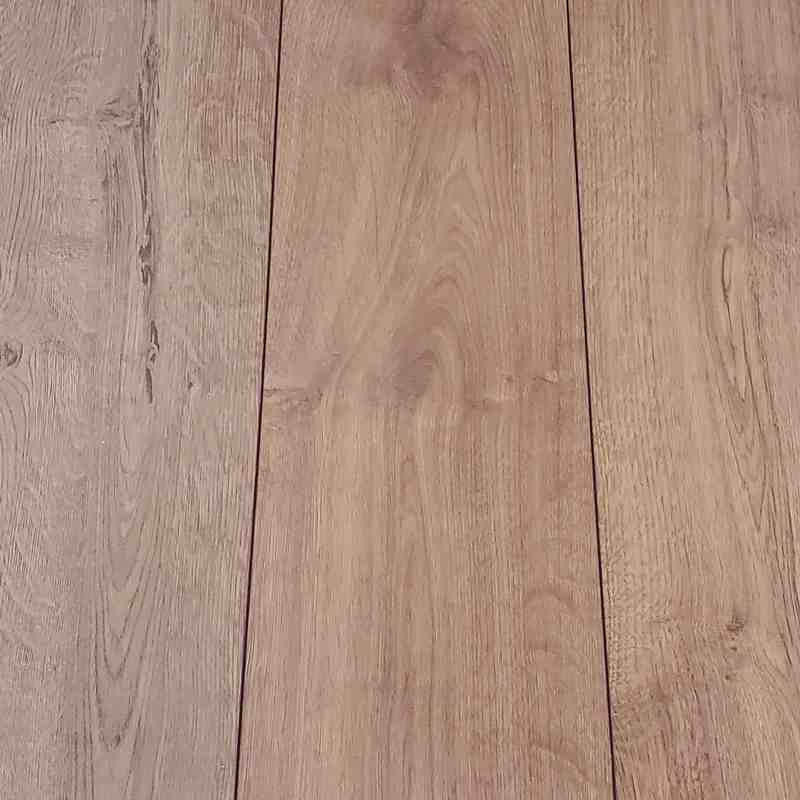
Is Laminate Flooring Actually Good for Kitchens? Here’s What You Need to Know
Finding the best laminate flooring for kitchen spaces is trickier than it sounds. Kitchens are the hardest-working rooms in any Lower Mainland home. Think muddy boots tracking in from a rainy Surrey afternoon, coffee spills, dropped pots, and pets skidding across the floor chasing a treat.
Most flooring marketing will tell you the answer is simple. It is not.
Here is a quick summary of what matters most when choosing kitchen laminate:
- Water resistance rating: Look for waterproof or water-resistant laminate with tight locking seams. Standard laminate will swell if water gets into the core.
- AC rating: Choose AC4 as a minimum for kitchens. AC5 is worth the investment for very busy households.
- Thickness: 10 mm to 12 mm provides better underfoot comfort and durability in high-traffic areas.
- Locking system: A tight click-lock profile helps prevent moisture from working its way between planks.
- Price range: Quality kitchen laminate typically starts around $2 to $4 CAD per square foot, with premium European options offering better long-term value.
The biggest myth we hear at King of Floors is that modern laminate is completely waterproof and immune to scratches. It is not. The better story is that the right laminate, properly installed, handles everyday kitchen life very well and lasts 15 to 25 years with reasonable care. That is a realistic, honest answer, and it is where we always start.
I am Lesley Upton, Inventory Control Manager at King of Floors, and after sourcing flooring from factories around the world since 2010, I have helped hundreds of Lower Mainland homeowners find the best laminate flooring for kitchen environments that balance real-world durability with budget and style. Let me walk you through what actually works.

AC Ratings Explained in Real-World Terms
The Abrasion Class (AC) rating is the global standard for measuring a laminate floor’s durability. It is determined by rigorous testing, including running sandpaper over the wear layer until it wears through. While these ratings are excellent durability indicators, they are not absolute guarantees of a damage-free floor.
AC ratings range from AC1 to AC6. For residential spaces, you will mostly encounter AC3, AC4, and AC5:
- AC3: Best for moderate residential use, such as bedrooms or guest rooms.
- AC4: Recommended for busy family homes and high-traffic areas like entryways, living rooms, and kitchens.
- AC5: Designed for heavy commercial use, meaning it offers exceptional durability in active homes with multiple pets and kids.
In a typical Surrey home, choosing the right AC rating ensures your floor matches your lifestyle. If you have a quiet household, an AC4 floor will perform beautifully. If your kitchen is the main gathering spot where dogs play and teenagers forage, stepping up to an AC5 rating is a wise decision.
Selecting the Best Laminate Flooring for Kitchen Layouts with High Traffic
Kitchens naturally experience some of the heaviest foot traffic in any home. Between cooking, cleaning, and socialising, your kitchen floor is constantly under pressure. This is why we recommend choosing a floor with at least an AC4 rating for these busy layouts.
When selecting your floor, you also want to look at the locking system. A secure connection between planks ensures they do not shift under heavy traffic, which prevents gaps where dirt and moisture can settle. Tight joints are essential for long-term performance in high-traffic residential areas.
Choosing Flooring for Lower Mainland Conditions
The climate in Surrey and the wider Lower Mainland presents unique challenges for flooring. Our rainy winters and humid shoulder seasons mean that moisture is a constant visitor. When you walk inside after a wet walk in White Rock or Langley, you inevitably bring moisture with you.
This local humidity can cause traditional wood composite flooring to expand and contract. If your floor does not have adequate moisture protection, the edges of the planks can swell, leading to unsightly peaking. To combat this, modern laminate has evolved. You can learn more about how these technologies work in our Laminate water resistance guide.
Why Water Resistance Matters for the Best Laminate Flooring for Kitchen Use
In a kitchen, water is always nearby. Whether it is a splash from the sink, a leaky dishwasher, or a spilled bowl of dog water, your floor will get wet. Traditional laminate relies on a high-density fibreboard (HDF) core that behaves like a sponge if water gets past the top wear layer.
Modern waterproof and water-resistant laminates use advanced technologies to prevent this. For example, some premium options feature hydrophobic coatings on the joints and bevels, which stop water from penetrating the seams for up to 24 hours. This gives you plenty of time to wipe up spills before any damage occurs.
Products like Kronoswiss Chur Oak 100% Waterproof AC5 8mm Laminate offer strong peace of mind in busy kitchens, especially when compared against detailed water-resistance specifications.
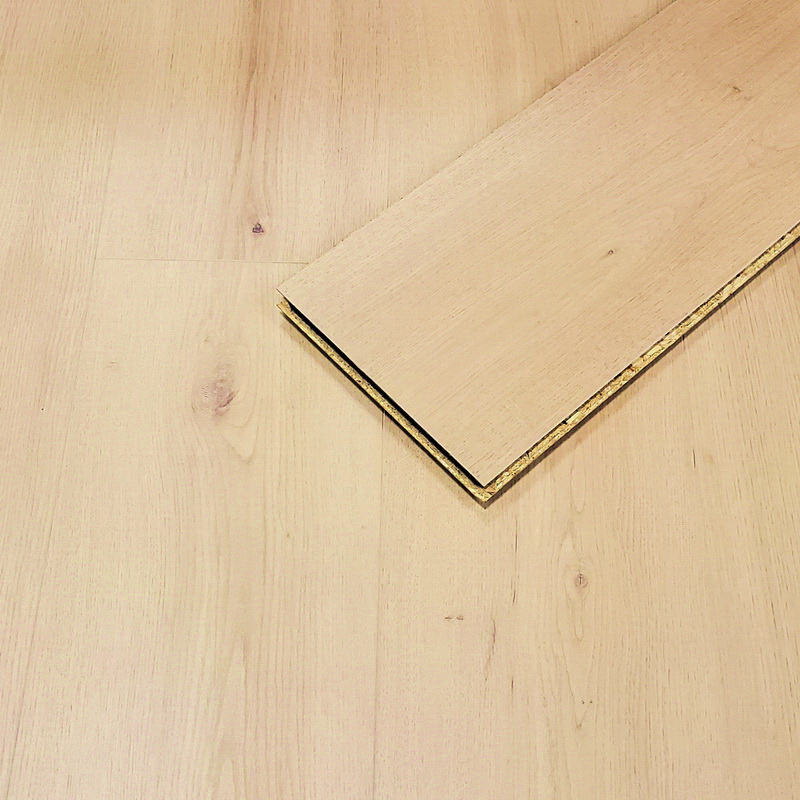
Laminate vs Engineered Hardwood Comparison
When planning a kitchen renovation in the Lower Mainland, many homeowners find themselves choosing between laminate and engineered hardwood. Both are fantastic options, but they suit different lifestyles and budgets.
Engineered hardwood consists of a real timber veneer bonded to a stable, multi-layer core. It brings unmatched warmth, prestige, and natural beauty to open-concept kitchens. If your home has a seamless flow from the kitchen to the living room, engineered hardwood can create a stunning, cohesive look. It can also be sanded and refinished once or twice depending on the thickness of the wear layer, adding long-term value to your property.
Laminate, on the other hand, is an exceptionally practical choice. It is highly scratch-resistant, easy to clean, and generally more budget-friendly, typically ranging from $2 to $5 CAD per square foot for high-quality European options. While engineered hardwood offers the luxury of real wood, premium laminate replicates that look with incredible accuracy while offering superior resistance to pet claws and heavy impacts.
Finding the Best Laminate Flooring for Kitchen Spaces
If you have decided that laminate is the right choice for your kitchen, we highly recommend looking at European-manufactured products. Brands from Germany, Switzerland, and Poland, such as Kronoswiss, Kronopol, and Artureon, are world-renowned for their precision engineering, environmental standards, and beautiful designs.
To get the best performance out of your kitchen laminate, installation is key:
- Sealing the perimeter: Use a high-quality silicone sealant around the edges of the room, especially near the sink and dishwasher, to prevent water from slipping underneath the floor.
- Underlayment: Choose an underlayment with a built-in moisture barrier to protect your floor from subfloor dampness.
- Acclimatisation: Let your laminate planks acclimatise to your kitchen’s temperature and humidity for at least 48 hours before installation.
- Maintenance: Clean your floors with a damp microfibre mop and a specialist laminate cleaner. Avoid wet mopping or using steam cleaners, as excessive heat and water can force moisture into the joints.
Compare our kitchen-friendly laminate ranges: KronoSwiss, KronoPol, and Artureon
Explore all waterproof and water-resistant options: Laminate Flooring – Waterproof
FAQ About Laminate and Engineered Hardwood Flooring in Surrey
What does the AC rating actually mean for my kitchen?
The AC rating is a durability scale from AC1 to AC6. For a kitchen, which experiences high foot traffic and occasional dropped items, we recommend a minimum of an AC4 rating. An AC5 rating offers even greater resistance to wear, making it ideal for busy homes with active families and pets.
Is laminate flooring completely immune to scratches?
No flooring is completely immune to scratches. High-quality laminate is highly scratch-resistant, meaning it will withstand everyday wear from pets, children, and moving furniture much better than solid timber. However, sharp objects or heavy sliding furniture can still cause minor surface marks over time.
Can engineered hardwood be sanded and refinished in a kitchen?
Yes, depending on the thickness of the real wood wear layer (veneer). Most premium engineered hardwood floors can be sanded and refinished one to two times over their lifespan, allowing you to refresh the look of your kitchen floor if it shows signs of wear after many years.
How does laminate handle the humid Lower Mainland climate?
High-quality European laminate handles our local climate very well, provided you leave proper expansion gaps around the perimeter of the room during installation. Choosing a water-resistant laminate with sealed joints prevents the core from expanding when humidity levels rise during our rainy winters.
Are laminate and engineered hardwood suitable for homes with pets and kids?
Yes, both are excellent choices, but laminate is generally the more worry-free option for active households. Its tough top wear layer resists scratches from pet claws and toys, while engineered hardwood offers a warmer, more natural feel but requires a bit more care to prevent scuffs.
Final Thoughts on Choosing Flooring in Surrey Homes
Selecting the best laminate flooring for kitchen use really comes down to your household’s daily rhythm. If you have a busy home filled with pets, kids, and constant activity, a high-quality AC4 or AC5 European laminate will give you the durability and water resistance you need without breaking the bank. If you prefer the natural luxury and long-term value of real timber, engineered hardwood is an exceptional alternative.
Whatever you choose, setting realistic expectations about wear and moisture care will ensure you enjoy your beautiful new kitchen floor for decades to come.
- Explore laminate flooring options: Laminate Flooring
- Talk to our flooring team: Contact Us