
Modern Flooring Designs for Your Home Renovation in 2026
If you are searching for modern flooring designs that look stunning on day one and still hold up after years of muddy boots, pet claws, and wet weather being tracked through your front door, you are in the right place.
Finding the right balance for your home is all about matching your lifestyle with the right material. Engineered hardwood brings natural beauty and the ability to be refinished, making it ideal for living rooms and bedrooms. High-quality laminate is highly durable and scratch-resistant, which is perfect for high-traffic hallways. If you want to add timeless visual interest, herringbone patterns work beautifully in open-plan spaces, while wide planks create a wonderful sense of space and airiness.
One of the biggest misconceptions we hear from homeowners is that modern flooring should be completely immune to scratches. What you are actually looking for is a floor that handles everyday wear gracefully, whether that is grit from the driveway, a dog doing the zoomies, or furniture being moved across the room.
The good news is that the right choice of engineered hardwood or high-quality laminate gets you very close to that goal, without the disappointment of unrealistic expectations.
I am Lesley Upton, Inventory Control Manager at King of Floors, and after more than 15 years of helping homeowners find the right fit for their space, I have seen what works and what does not when it comes to modern flooring designs. Let us walk through what is trending in 2026, what actually holds up in real homes, and how to make a confident choice for your renovation.
Modern flooring designs terms explained:
What Scratch-Resistant Modern Flooring Designs Actually Mean
When we talk about choosing modern flooring designs for busy Lower Mainland households, the conversation almost always turns to durability. We want our homes to look like they belong in a design magazine, but we also live real, messy lives. Between rainy Surrey winters and active family pets, our floors face a daily workout.
This is where understanding the true definition of scratch-resistant flooring becomes essential. It is not about finding an indestructible shield, but rather selecting materials engineered to withstand the friction of everyday life while maintaining their visual appeal.
Defining Scratch Resistance vs Scratch-Proof
Let’s clear up a major industry myth: scratch-proof wood flooring does not exist. Any material made from wood or wood-byproducts can be scratched if subjected to enough force, such as dragging a heavy metal appliance or tracking in sharp gravel from the driveway.
When we label our premium laminate flooring or engineered wood as scratch-resistant, we mean they are designed to resist the standard abrasive forces of residential living. This includes dog claws, sliding dining chairs, dropped toys, and the occasional grit tracked in on running shoes. A high-quality wear layer protects the underlying design from dulling and micro-scratches, ensuring your floor keeps its beautiful finish for years to come.
How Modern Lifestyles Impact Wood and Laminate
In Surrey and Metro Vancouver, our active outdoor lifestyle directly impacts our indoor surfaces. We hike in the rain, walk our dogs along muddy trails, and bring that dampness and grit right back to our entryways.
Traditional solid hardwood often struggles with these conditions because moisture causes it to expand and contract, leading to warping. Modern engineered hardwood and European laminate floors are specifically designed to handle these environmental challenges. They offer the warm, natural aesthetic of traditional timber but are built on highly stable core boards that resist moisture-induced movement.
AC Ratings Explained: Real-World Durability for Lower Mainland Homes
If you have spent any time researching modern laminate floors, you have likely run into the term “AC rating.” This rating is the global standard for measuring a laminate floor’s resistance to wear, impact, and staining.
However, these ratings are often presented as technical jargon rather than practical advice. Let’s break down what these numbers actually mean for your home renovation.
Understanding the AC Rating Scale
The AC (Abrasion Class) rating scale runs from AC1 to AC6. The test involves a machine that rubs sandpaper against the laminate’s protective wear layer until it wears through to the decorative paper underneath.
- AC1 to AC2: Designed for very light residential use, such as guest bedrooms.
- AC3: Suitable for general residential use, including living rooms and dining areas.
- AC4: Engineered for heavy residential use and light commercial spaces. This is the sweet spot for busy family homes.
- AC5: Built for heavy commercial traffic. When used in a residential setting, AC5 floors offer exceptional resistance to wear and tear.
All of our premium laminate products are manufactured in world-class facilities in Switzerland, Germany, Poland, or the USA, ensuring they meet these rigorous European standards. Brands like Kronoswiss utilise advanced manufacturing techniques to produce incredibly dense HDF (High-Density Fibreboard) cores that support these tough wear layers.
Choosing the Right AC Rating for Surrey Families
For a home in Surrey or Langley, we generally recommend choosing an AC4 or AC5 rated laminate floor, especially for high-traffic zones like kitchens, entryways, and main living areas.
An AC5 rated laminate floor provides excellent peace of mind if you have large dogs or a highly active household. However, it is important to remember that an AC rating is a wear indicator, not a magic shield. Even an AC5 floor requires basic care, such as using felt pads under heavy furniture and sweeping up grit regularly, to prevent surface dulling over time.
Laminate vs Engineered Hardwood: Choosing the Right Fit for Your Lifestyle
Choosing between laminate and engineered hardwood is one of the most important decisions you will make during your renovation. Both options are fantastic, but they serve different lifestyles, aesthetic preferences, and budgets.
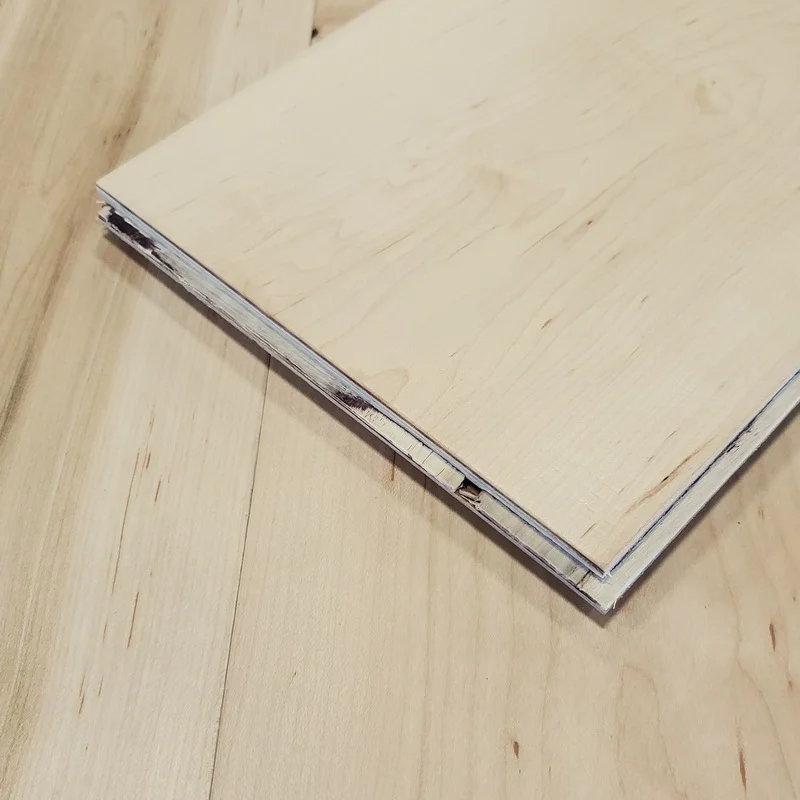
To help you decide, let us look at how they compare across key categories:
Engineered hardwood features a real timber veneer over a multi-layer plywood core, offering a completely unique natural wood grain and texture. While it has good stability, it remains susceptible to standing water. However, depending on the veneer thickness, it can be sanded and refinished one to three times, making it a premium investment with high long-term property return.
On the other hand, high-quality laminate consists of a high-density fibreboard core with a highly realistic photographic wear layer. It offers excellent moisture resistance, especially in water-resistant lines, but cannot be sanded or refinished. It is highly budget-friendly and provides superb everyday durability.
When to Choose Engineered Hardwood
If your priority is the authentic warmth, prestige, and unique character of real wood, engineered hardwood flooring is the undisputed winner. Because the top layer is genuine timber, no two planks are identical.
Engineered hardwood is also an excellent choice for homeowners looking to add long-term value to their property. High-quality oak engineered floors can be sanded and refinished in the future if you ever want to change the stain colour or refresh the surface after decades of use. It is perfect for living rooms, dining rooms, and bedrooms where comfort and natural luxury are prioritised.
When to Choose High-Quality Laminate
If you have a busy household with young kids, energetic pets, and a high volume of foot traffic, high-quality European laminate is often the more practical choice. Modern laminate designs utilise high-definition printing and registered-embossed textures to replicate the look and feel of real wood so closely that it is hard to tell the difference once installed.
Laminate is incredibly cost-effective, offering a fantastic return on investment for budget-conscious renovations. Because it is highly resistant to impact and scratches, it requires less daily worry than real wood. It is a highly practical ‘set-and-forget’ floor for busy families who want a beautiful home without the stress of constant maintenance.
How to Achieve Modern Looks with Wood Flooring
Modern flooring designs in 2026 are all about creating warm, inviting, and light-filled spaces. The cold, clinical grey tones that dominated the early 2020s have officially phased out. Today, homeowners are embracing organic textures and rich, warm palettes.

Herringbone and Chevron Patterns in Modern Flooring Designs
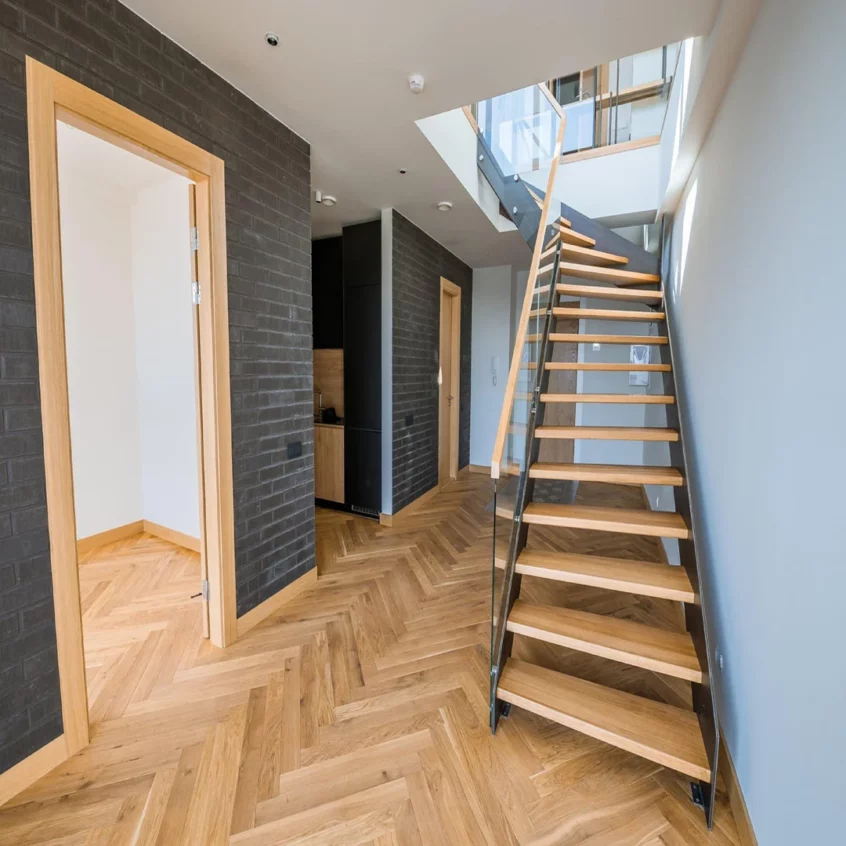
One of the fastest-growing trends in Metro Vancouver is the resurgence of patterned installations. Herringbone and chevron patterns add a sense of architectural elegance and dynamic movement to a home.
While historically reserved for solid parquet in grand estates, modern manufacturing allows us to achieve these gorgeous geometric layouts using engineered hardwood or specialised laminate planks. A herringbone entryway or dining room creates an instant focal point, making even a standard hallway feel like a custom-designed gallery.
Warm Neutrals and Light Wood Modern Flooring Designs
The “dopamine decor” movement has influenced flooring choices, steering us towards warm neutrals, soft creams, and light honey tones. Light oak and maple wood designs are highly sought after because they bounce natural light around a room, making smaller spaces feel massive and airy. These soft, natural tones blend beautifully with minimalist, Scandinavian, or modern farmhouse interior design styles, providing a timeless canvas that easily accommodates changing decor trends over the years.
Long-Term Wear and Maintenance: What to Expect in Surrey
No matter which high-quality flooring you choose, its longevity depends heavily on how you care for it. Our rainy local climate presents a unique set of challenges that require a proactive approach to floor protection.
Protecting Your Floors from Lower Mainland Moisture
Our wet season brings plenty of water and mud to our doorsteps. While modern engineered wood and laminate floors offer great dimensional stability, standing water is the enemy of any wood-based product.
To protect your investment, we recommend placing high-quality, breathable walk-off mats at every entrance to catch moisture and grit before it reaches your main floors. Encourage family members and guests to remove their wet shoes at the door. If water does spill or get tracked onto the floor, wipe it up promptly to prevent moisture from seeping into the joints.
Daily Cleaning and Long-Term Care Tips
Keeping your floors clean is surprisingly simple, but using the wrong products can cause damage over time. Here are our top tips for maintaining your floors:
- Dust and sweep regularly: Tiny particles of dirt and sand act like sandpaper under foot traffic. Sweeping or vacuuming with a soft-brush attachment prevents these micro-abrasions.
- Use the right cleaner: Clean your floors using a damp microfibre mop and a pH-neutral floor cleaner specifically formulated for wood or laminate.
- Avoid steam mops: Steam mops force high-temperature moisture deep into the joints of your flooring, which can cause swelling, peeling, and adhesive failure.
- Protect furniture legs: Apply felt pads to the bottom of all chairs, tables, and heavy furniture. Replace these pads periodically as they wear down and collect grit.
FAQ About Laminate and Engineered Hardwood Flooring in Surrey
What does an AC rating actually tell me about laminate?
An AC rating indicates how well a laminate floor’s wear layer resists abrasion and impact. For active residential homes in Surrey, an AC4 or AC5 rating is highly recommended to ensure the floor can handle daily foot traffic, pet claws, and general wear without wearing through to the decorative layer.
Can engineered hardwood floors be sanded and refinished?
Yes, high-quality engineered hardwood floors can be sanded and refinished. The frequency depends on the thickness of the real timber veneer. Generally, a floor with a wear layer of 3mm or more can be professionally refinished once or twice, giving your floors a beautiful second life decades down the road.
Is laminate flooring suitable for humid Lower Mainland conditions?
Yes, high-quality European laminate flooring performs exceptionally well in our climate. Unlike solid wood, which expands and contracts significantly with humidity changes, modern laminate features dense, stable HDF core boards that resist shifting, making it a highly reliable choice for local homes.
How do I prevent scratches on my new wood floors?
While no wood-based floor is entirely scratch-proof, you can minimise scratch risks by placing protective felt pads under furniture legs, trimming your pets’ nails regularly, sweeping up abrasive dirt and grit daily, and using high-quality entryway mats to catch outdoor debris.
What is the difference between scratch-resistant and scratch-proof?
Scratch-resistant flooring is engineered with tough protective coatings to withstand normal daily friction like pet paws and sliding chairs. Scratch-proof implies absolute immunity to damage, which is a myth; any wood-based flooring can scratch if subjected to extreme force or sharp objects.
King of Floors: Unmatched Quality, Authentic Value
Choosing the perfect floor for your home renovation in 2026 comes down to balancing your personal style with the practical realities of your daily life.
If you want the unmatched luxury and unique character of real timber, engineered hardwood is a beautiful investment. If you need maximum durability, scratch resistance, and easy maintenance for a busy household, a high-quality European laminate is an outstanding, cost-effective choice.
At King of Floors, we believe in providing honest, practical advice to help you find a floor you will love for decades. If you are ready to start planning your home transformation, our team is here to guide you every step of the way.
- Explore laminate flooring options: Laminate Flooring
- View engineered hardwood floors: Engineered Hardwood Flooring
- Talk to our flooring team: contact our flooring team in Surrey