
What Are the Best Residential Flooring Options for Your Home?
Residential flooring options span a wide range of materials, styles, and price points. Picking the right floor feels like it should be simple. But walk into any showroom and you are suddenly staring down dozens of materials, finishes, thicknesses, and price tags, all while trying to picture how any of it looks in your actual home.
The truth is, the “best” floor depends entirely on your lifestyle, your budget, and the room you are renovating. A floor that is perfect for a quiet home office might last only a few years in a busy mudroom. And a flooring choice that looks stunning in a showroom can be a nightmare to maintain if you have kids, pets, or heavy foot traffic.
This guide cuts through the noise. Whether you are weighing engineered hardwood against laminate, trying to figure out what AC ratings mean, or just want to know which option gives you the most bang for your buck, we have got you covered.
I’m Lesley Upton, Inventory Control Manager at King of Floors, and after sourcing and advising on residential flooring options since 2010, I know what works in real homes and what ends up being a costly mistake. Let’s walk through everything you need to make a confident, informed decision.
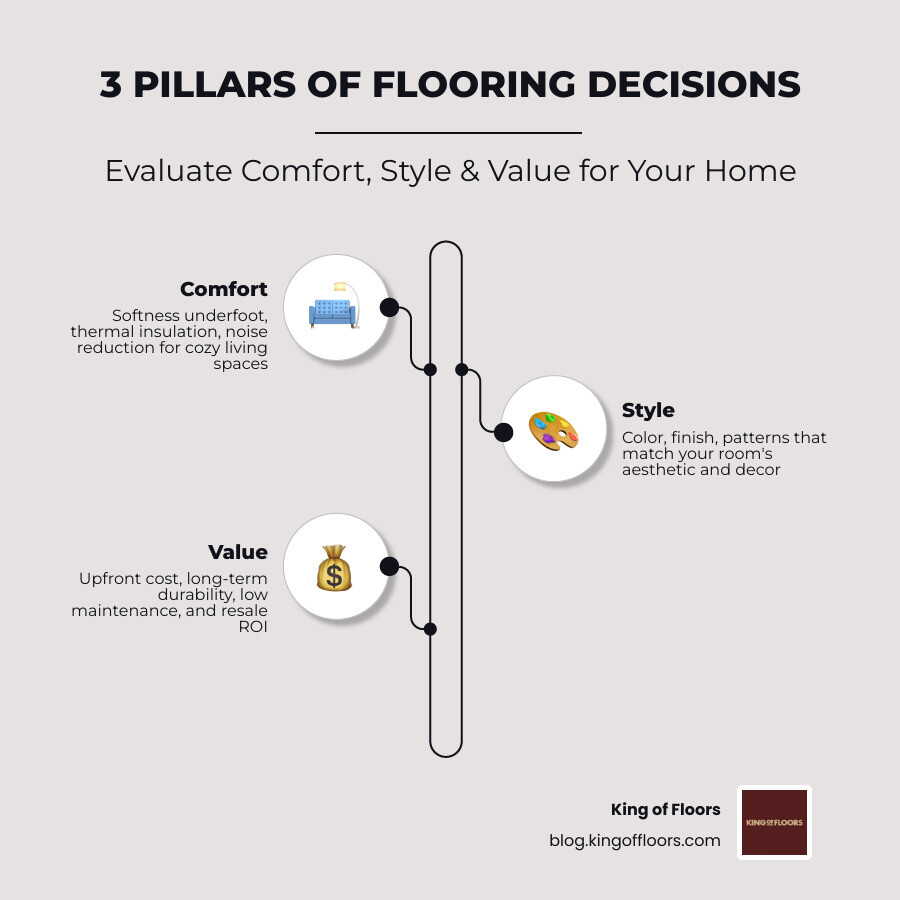
Quick residential flooring options definitions:
Comparing the Best residential flooring options for Your Home
When we talk about the “best” floors, we are usually looking for a balance between how they look, how long they last, and how much they help your home’s bottom line. At King of Floors, we’ve spent decades helping families in Surrey, BC, navigate these choices.
Choosing a floor is a major investment. Beyond just the daily joy of walking on a beautiful surface, the right choice significantly impacts your home’s resale value. According to the National Association of Realtors, refinishing hardwood floors can return up to 147% of the cost at resale. Even installing new hardwood can deliver around 118% ROI. This makes wood-based flooring one of the smartest upgrades you can make.
But durability is just as important as ROI. You don’t want a floor that looks great on day one but is covered in scratches by month six. While materials like tile and stone are incredibly tough, they can be cold and hard on the joints. On the other hand, carpet offers warmth but can be a magnet for allergens and stains. This is why many homeowners are turning to engineered wood and high-quality laminate: they offer the natural beauty of wood with enhanced structural stability and wear resistance.
Why Engineered Hardwood is a Top Choice for residential flooring options
If you love the look of real wood but worry about the damp BC climate, engineered hardwood is your best friend. Unlike solid wood, which is one solid piece of timber prone to warping, engineered hardwood is built like a high-tech sandwich. It features a top layer of real hardwood (the “wear layer”) bonded over multiple layers of high-quality plywood or HDF.
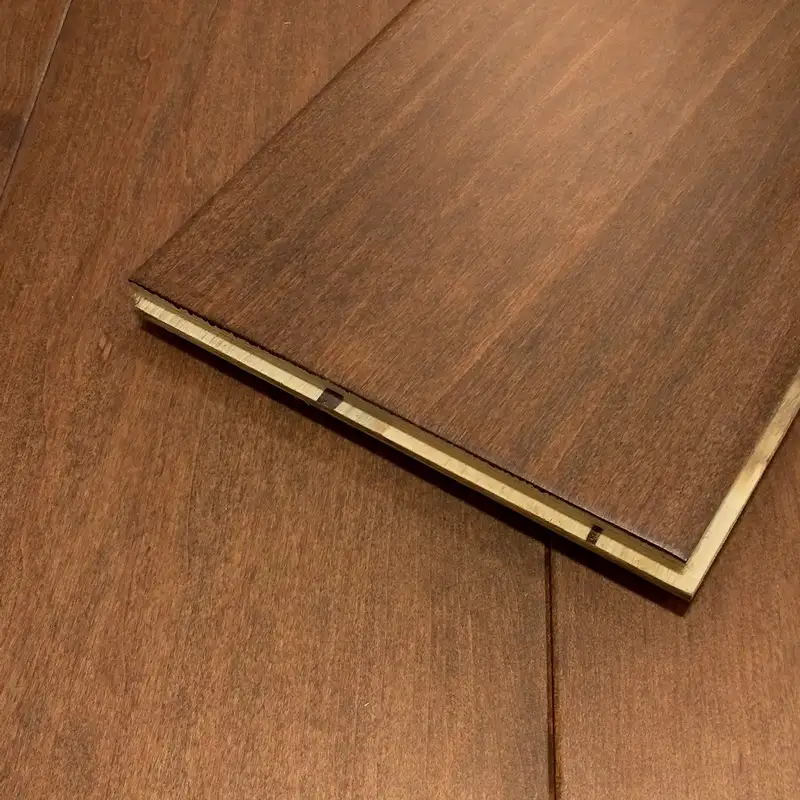
This cross-grain construction makes it incredibly stable. While solid wood expands and contracts with humidity—leading to gaps or “cupping”—engineered hardwood stays flat. This stability allows it to be installed in places where solid wood often fails, such as basements or over radiant heating systems. It’s also a more sustainable choice, as it uses less of the slow-growing “show” wood for the surface.
When choosing engineered hardwood, keep these factors in mind:
- Thickness: Look for a substantial wear layer if you want the option to refinish it in the future.
- Finish: Many of our options feature advanced UV-cured finishes that resist scratches and fading.
- Installation: It can be glued down, stapled, or installed as a “floating” floor, making it very versatile.
For a deeper dive into whether this is the right path for you, check out our guide on the pros and cons of engineered hardwood or explore our Engineered Hardwood Ultimate Guide.
The Benefits of High-Performance Laminate as residential flooring options
Laminate has come a long way since the “plastic-looking” floors of the 90s. Today’s European laminates—which are our specialty—use high-definition imaging and advanced embossing to mimic the texture and grain of real wood so accurately that guests will likely have to get on their hands and knees to tell the difference.
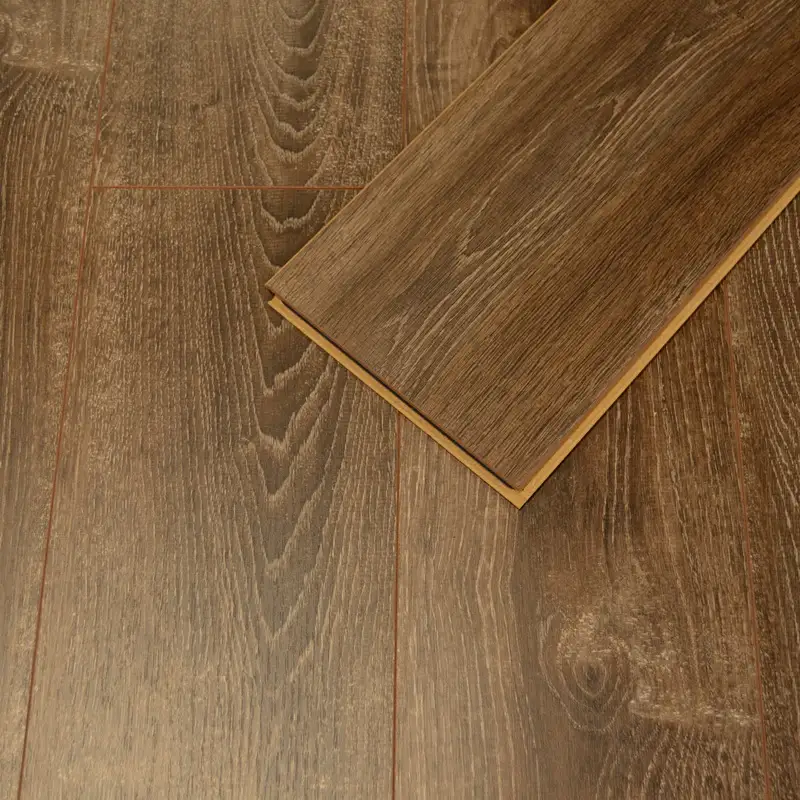
The biggest draw for laminate is its sheer toughness. It is designed to handle high-traffic areas, heavy furniture, and the general chaos of a busy kitchen. Most of our European stock is rated for high performance, meaning it can stand up to high heels, dropped pots, and dragging chairs without breaking a sweat.
We pride ourselves on having the largest selection of European laminate in stock. Why European? Because the standards for environmental safety and durability (like AC ratings) are some of the highest in the world. Brands like Kronoswiss and KronoPol offer incredible styles that are often more water-resistant than traditional wood floors.
If you’re looking for a budget-friendly way to get a premium look, laminate is the way to go. You can find more details in our Laminate Flooring Complete Guide or see how to maximize your budget with our low-cost laminate guide.
Choosing the Right Floors for High-Traffic Areas and Pets
As a family-owned business, we know that a “high-traffic area” usually means a hallway where kids are racing or a living room where a 70-pound dog is trying to find traction. Our late mascot, Sir Scruffy, was a regular in our 85,000 sq ft showroom, and he was the ultimate “tester” for our floors. If a floor could handle Sir Scruffy’s zoomies, it could handle anything!
For pet owners, the two biggest concerns are scratches and “accidents.” While real wood is beautiful, large dogs can occasionally leave claw marks in softer species. This is where high-rated laminate really shines. Its hard top wear layer is virtually scratch-proof.
If you prefer the feel of wood, look for engineered hardwoods with a “distressed” or “brushed” finish. These textures are great at hiding any minor wear and tear that pets might cause. Also, many modern laminates and engineered woods now come with enhanced water resistance, giving you a crucial window of time to clean up spills before they cause damage.
For more tips on keeping your floors and furry friends happy, visit our best flooring for pets resource or our specific guide for dog owners.
Understanding AC Ratings and Material Durability
When you are shopping for laminate residential flooring options, you will see a lot of “AC” numbers. This stands for “Abrasion Criteria,” and it is the global standard for measuring how much wear a floor can take before the pattern starts to disappear.
At King of Floors, we don’t mess around with flimsy products. We carry everything up to AC6, which is basically bulletproof in a residential setting.
| AC Rating | Usage Level | Best For |
|---|---|---|
| AC1 | Moderate Residential | Guest bedrooms, closets |
| AC2 | General Residential | Living rooms, dining rooms |
| AC3 | Heavy Residential / Light Commercial | All home areas, small offices |
| AC4 | General Commercial | Busy hallways, kitchens, boutiques |
| AC5 | Heavy Commercial | Department stores, public buildings |
| AC6 | Extreme Commercial | High-traffic public hubs (The “King” of durability) |
While AC3 is the standard for most homes, we often recommend AC4 or AC5 for busy households. It gives you that extra peace of mind that your floor will look new for a decade or more. You can learn more about how these materials are tested and classified through HomeAdvisor’s research on flooring material types.
Installation Methods and Maintenance for Long-Term Value
One of the reasons we love laminate and many engineered wood options is the “Click-Lock” system. This makes them a dream for DIY enthusiasts. These are “floating floors,” meaning they aren’t glued or nailed to the subfloor. Instead, the planks lock together like a puzzle, allowing the floor to expand and contract as a single unit.
Pro-Tips for Installation:
- Acclimatization: Always let your flooring sit in the room for at least 48-72 hours before installing. This lets the wood or HDF core adjust to your home’s humidity.
- Underlayment: Never skip this! A good underlayment provides a moisture barrier, reduces noise, and makes the floor feel softer underfoot.
- Subfloor Prep: Your new floor is only as good as what’s underneath it. Ensure your subfloor is dry, level, and clean.
Maintenance is surprisingly easy. For laminate and engineered wood, stay away from wet mopping. Too much water can seep into the joints and cause swelling. Instead, use a damp microfiber mop and a cleaner specifically designed for wood or laminate.
Investing in quality products and proper installation is the best way to ensure smart flooring spends that pay off in the long run.
Frequently Asked Questions About Home Flooring
Is laminate flooring waterproof?
While no wood-based product is 100% waterproof in the same way tile is, many of our modern European laminates are highly water-resistant. They can easily handle typical spills and splashes if cleaned up promptly.
Can I install engineered hardwood in my basement?
Yes! Because of its layered construction, engineered hardwood is much more resistant to the moisture fluctuations common in basements compared to solid hardwood. Just be sure to use the correct moisture-rated underlayment.
How do I choose the right color?
Think about your room size and light. Lighter floors (like white or light oak) can make a small room feel much larger and brighter. Darker floors add drama and sophisticated warmth but can show dust and pet hair more easily.
What is the best flooring for soundproofing?
If you have a multi-story home, noise can be an issue. Using a high-quality rubber or cork-based underlayment under your laminate or engineered wood is the best way to dampen footfalls. Check out our guide on best flooring for soundproofing for more details.
How much do these residential flooring options cost?
In the Canadian market (CAD), you can generally expect the following:
- Laminate: $2.00 – $6.00 per sq. ft. for materials.
- Engineered Hardwood: $4.00 – $12.00+ per sq. ft. for materials.
- Installation: Professional labor typically ranges from $2.00 – $5.00 per sq. ft. depending on the complexity.
- Note: Further discounts may be available, please call for details.
There Is Only One King of Floors
Since 1984, King of Floors has been a family-owned and 100% Canadian business. We aren’t just a flooring store; we are direct importers. That means we cut out the middleman to bring you factory-direct pricing that is hard to beat anywhere in BC.
Our massive 85,000 sq ft facility in Surrey is “worth the drive” from anywhere in the Lower Mainland. With over 10 million square feet of flooring in stock, you don’t have to wait weeks for an order to arrive—you can often take your new floors home the same day.
We know that choosing residential flooring options can be stressful, which is why we offer a 90-day full refund policy and work with certified bonded installers to ensure the job is done right. We carry top brands like Kronoswiss and Artureon, ensuring you get the highest quality available.
Whether you’re looking for the timeless elegance of European oak engineered wood or the “tough-as-nails” performance of an AC6 laminate, our team is here to give you honest, expert advice. We treat every customer like family—just the way Sir Scruffy would have wanted.
Ready to transform your home? Visit our showroom at 15350 56 Ave, Surrey, BC, or browse our massive selection of residential flooring options online. Give us a call or drop by—we’d love to help you find the perfect floor for your castle!